Magic: The Gathering Essentials for Every Collector

Magic: The Gathering (MTG) is more than just a card game; it’s a vibrant community and a collector's paradise. Whether you are a seasoned player or a newcomer, understanding the essentials of collecting MTG cards can enhance your experience and investment. This guide will cover everything you need to know about collecting Magic: The Gathering cards, from understanding card types to knowing how to store and protect your collection.
Understanding Card Types
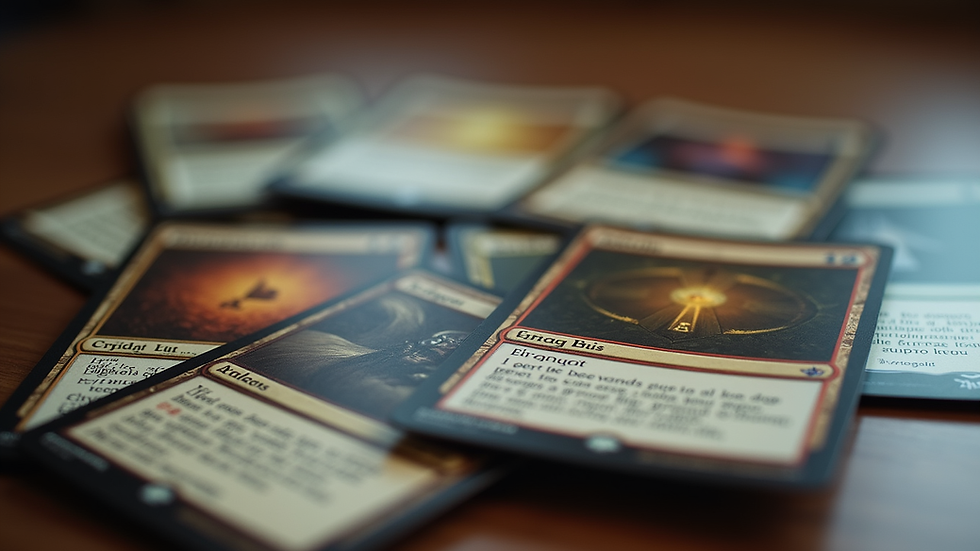
Before diving into collecting, it’s crucial to understand the different types of cards in Magic: The Gathering. Each card serves a unique purpose in gameplay and can vary significantly in value.
1. Basic Land Cards
These are the foundation of any deck. Basic lands produce mana, which is essential for casting spells. There are five types of basic lands:
Plains (white mana)
Islands (blue mana)
Swamps (black mana)
Mountains (red mana)
Forests (green mana)
While basic lands are not typically valuable, special editions or unique art versions can be sought after by collectors.
2. Creature Cards
Creatures are the backbone of most decks. They can attack opponents and defend against attacks. Creature cards come with various abilities and power/toughness ratings. Some notable creature types include:
Dragons
Angels
Zombies
Rare or powerful creatures, especially those from older sets, can fetch high prices in the collector's market.
3. Sorcery and Instant Cards
These cards represent spells that can be cast to affect the game immediately. Sorceries can only be played on your turn, while instants can be played at any time. Collectors often look for unique or powerful spells that can change the course of a game.
4. Enchantment and Artifact Cards
Enchantments and artifacts provide ongoing effects or abilities. They can enhance creatures or provide unique advantages. Some artifacts, like the Black Lotus, are legendary and highly sought after, often selling for thousands of dollars.
5. Planeswalker Cards
Introduced in the Lorwyn set, planeswalkers are powerful allies that can be summoned to aid you in battle. They have loyalty points and can use various abilities. Collecting planeswalker cards can be particularly rewarding due to their strategic importance and collectible nature.
Rarity and Value
Understanding card rarity is essential for any collector. Cards are categorized into different rarity levels:
Common: Widely available and usually the least valuable.
Uncommon: Slightly harder to find and more valuable than commons.
Rare: Harder to find and often more powerful, making them more valuable.
Mythic Rare: The rarest cards in a set, often featuring powerful abilities or unique artwork.
The Importance of Set Editions
The set a card belongs to can significantly impact its value. Older sets, especially those from the early years of MTG, tend to have cards that are highly sought after. For example, cards from the Alpha, Beta, and Unlimited sets are often considered the holy grail for collectors.
Building Your Collection
1. Start with a Budget
Before you begin collecting, set a budget. This will help you avoid overspending and allow you to focus on acquiring cards that truly interest you.
2. Focus on What You Love
Collecting should be enjoyable. Focus on cards that resonate with you, whether it's a specific color, creature type, or artwork style. This personal connection will make your collection more meaningful.
3. Attend Local Events and Conventions
Participating in local tournaments and conventions can be a great way to meet other collectors and players. You can trade cards, learn about new releases, and discover hidden gems for your collection.
4. Utilize Online Marketplaces
Websites like TCGPlayer, eBay, and Cardmarket are excellent resources for buying and selling cards. Always check the condition and authenticity of cards before purchasing.
Storing and Protecting Your Cards
Proper storage is crucial to maintaining the value of your collection. Here are some tips for keeping your cards in pristine condition:
1. Use Sleeves
Invest in high-quality card sleeves to protect your cards from wear and tear. Sleeves come in various sizes and materials, so choose ones that fit your cards snugly.
2. Store in a Binder or Box
For larger collections, consider using a binder with protective pages or a sturdy box. Keep your cards organized by set, color, or type for easy access.
3. Avoid Direct Sunlight
Store your cards in a cool, dry place away from direct sunlight. UV rays can fade the artwork and damage the card material over time.
The Thrill of Trading
Trading cards is a significant aspect of the MTG community. It allows collectors to enhance their collections while building relationships with other players. Here are some tips for successful trading:
1. Know Your Cards
Before trading, familiarize yourself with the value of your cards. Use online resources to gauge their worth and ensure you’re getting a fair deal.
2. Be Open to Negotiation
Trading is often about compromise. Be open to negotiating and consider the other person’s perspective. This can lead to a more satisfying exchange for both parties.
3. Build Relationships
Trading is not just about the cards; it’s also about building connections within the community. Engage with other collectors and players, and you may find opportunities for future trades.
The Future of Collecting Magic: The Gathering
As the game continues to evolve, so does the collecting landscape. New sets, mechanics, and collaborations keep the community engaged. Here are some trends to watch:
1. Digital Collectibles
With the rise of digital platforms, MTG has introduced digital versions of cards. Collectors may want to explore these options as they can offer unique experiences and opportunities.
2. Crossovers and Collaborations
Magic: The Gathering has collaborated with various franchises, introducing unique cards and mechanics. These collaborations can create buzz and increase the value of specific cards.
3. Sustainability in Collecting
As awareness of environmental issues grows, collectors may seek sustainable practices in their collecting habits. This could include eco-friendly storage solutions or supporting companies that prioritize sustainability.
Conclusion
Collecting Magic: The Gathering cards is a rewarding journey filled with excitement and community. By understanding card types, rarity, and proper storage techniques, you can build a collection that reflects your personal interests and enhances your gameplay experience. Remember to engage with fellow collectors, stay informed about trends, and most importantly, enjoy the process. Happy collecting!

Comments